Learning Portuguese as an Adult: Why Willpower Isn’t Enough(What Atomic Habits taught me about language learning – Part 1)
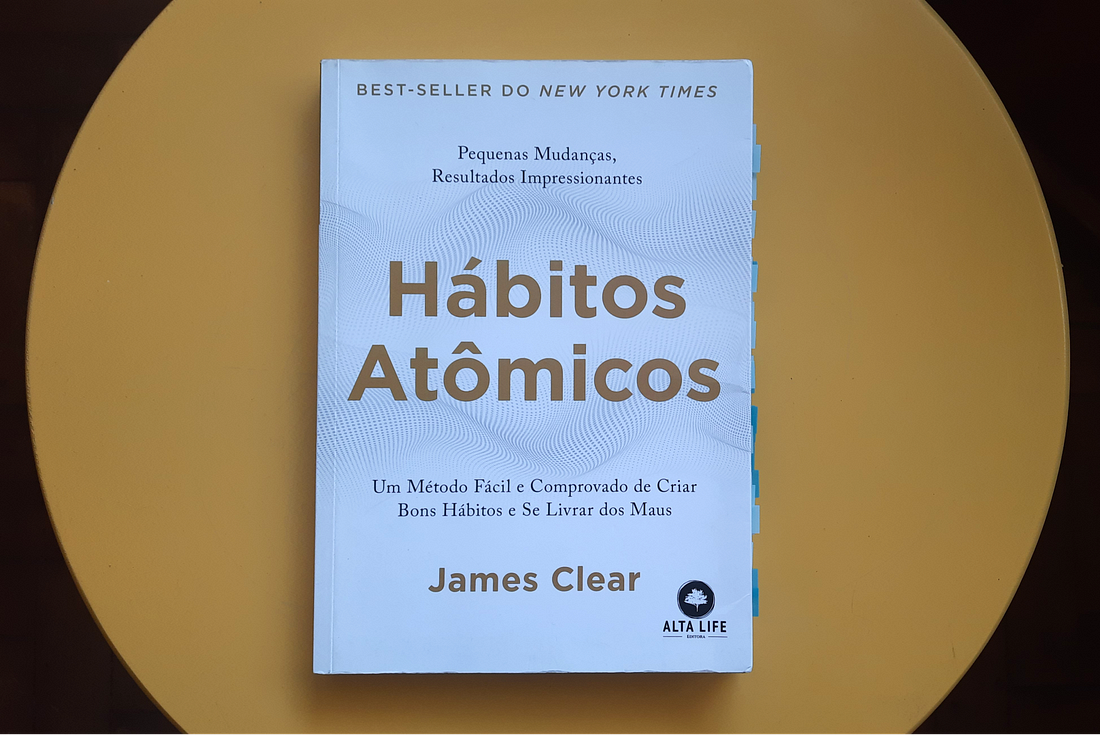
Learning Portuguese (or any language) as an adult doesn’t depend on a special talent. And it’s definitely not about willpower alone. Many of us believe that if we just wanted it enough, we’d be able to build the ideal study habits: practice every day, stay highly motivated, never fall behind. But expecting ourselves to change radically through intrinsic motivation alone isn’t realistic. That’s one of the central ideas behind the book Atomic Habits, by James Clear. The author argues that real change doesn’t come from big, decisive moments, but from small (or atomic) daily actions. Improving by just 1% each day may feel invisible at the moment, but over time it makes a huge difference. As a teacher of Brazilian Portuguese for adult learners, reading this book reinforced something I see in my students all the time (and in myself as a language learner): progress doesn’t come from radical study plans or bursts of motivation, but from sustainable habits that fit into real life. Below are some takeaways from Atomic Habits that, in my experience, apply very well to language learning. (These focus more on mindset and attitude. In the next newsletter, I’ll share practical actions you can take to turn learning Portuguese into a sustainable habit. If you haven’t subscribed to this newsletter yet, subscribe to receive future editions by email!)
1. Focus on systems rather than goalsDon’t get me wrong: I like goals, especially when they’re SMART (Specific, Measurable, Achievable, Relevant, and Time-bound). I use them while developing each student’s learning journey, and they can be very helpful in guiding your actions and tracking your progress over time. But James Clear argues that focusing only on them can be counterproductive, and I think he has a point. That’s because goals tend to place happiness in the future, like: I’ll feel satisfied when I’m fluent. Until then, everything feels like a struggle. They also create an all-or-nothing mindset: either you succeed, or you feel like a failure. Instead of obsessing over goals and end results, it can be very beneficial to focus on the process — the small, repeatable actions you do regularly. “When you fall in love with the process rather than the outcome, progress stops feeling like a constant evaluation and starts feeling like part of your life”, he says. That’s why it’s important to try to make language learning enjoyable and give yourself small rewards when you show up (the second part of this newsletter will dive deeper into that). The destination shouldn’t be the only enjoyable part — the journey should be too. 2. Build habits around a language-learning identityOne of the ideas from Atomic Habits that resonated with me the most is building habits based on identity, focusing on the kind of person we want to become. “The more pride you take in a particular aspect of your identity, the more motivated you’ll be to maintain the habits associated with it,” Clear writes. He says that we may start a habit because we feel motivated, but we only stick to it when it becomes part of how we see ourselves. Instead of seeing Portuguese as something you have to study, try focusing on the kind of person you want to become. If you see yourself as someone who struggles with languages and you don’t admit the possibility of changing that story just because you’ve told it to yourself for a long time, you might end up sabotaging your efforts. When learning Portuguese becomes part of your identity, and something you’re proud of, showing up stops feeling like an obligation and starts feeling natural. You’re not forcing yourself to study; you’re acting in alignment with who you are. And the first step toward becoming that type of person is believing that it’s possible. Also, do you know what can be super helpful (although not mandatory) in that process? Surrounding yourself with other language learners, either in person or online. When you’re part of a community of people who value this process, you’re likely to be influenced by them. That’s because, as James Clear points out, the culture we’re surrounded by helps define our expectations of “normal behavior,” and habits become more attractive when they help us fit into a group we want to belong to. 3. Progress gradually to stay motivatedAnother important idea from Atomic Habits, which also shows up in many psychological theories (like Vygotsky’s Zone of Proximal Development), is that we’re most motivated when we’re challenged just enough. Tasks that are too easy quickly become boring, but those that are too difficult feel overwhelming. The sweet spot lies somewhere in between. This shows up clearly in language learning. When the material is far beyond your current level, frustration takes over. But when you stay stuck in the basics for too long, learning starts to feel stagnant. Sustainable progress happens when each step stretches you slightly without breaking you: a text that’s challenging but understandable, a conversation where you don’t know every word but can keep going. Language learning doesn’t require giant leaps, but small, intentional increases in difficulty. An experienced teacher can help guide this process, but with enough self-awareness, you can apply it to your own learning as well. In short, learning Portuguese as an adult starts with changing how we relate to the process: learning to enjoy the journey, building an identity that supports learning, and understanding how to challenge yourself more, little by little. In the next newsletter, I’ll share practical ways to turn this mindset into daily habits even if you have little time, low energy, or an irregular routine. Do you agree with these ideas? Let me know in the comments or by replying to this email! You're currently a free subscriber to Abra suas Janelas. For the full experience, upgrade your subscription.
|
sábado, 21 de março de 2026
Learning Portuguese as an Adult: Why Willpower Isn’t Enough





Assinar:
Postar comentários (Atom)
Nenhum comentário:
Postar um comentário